Cancer: Facts, Risks, Screening & Prevention
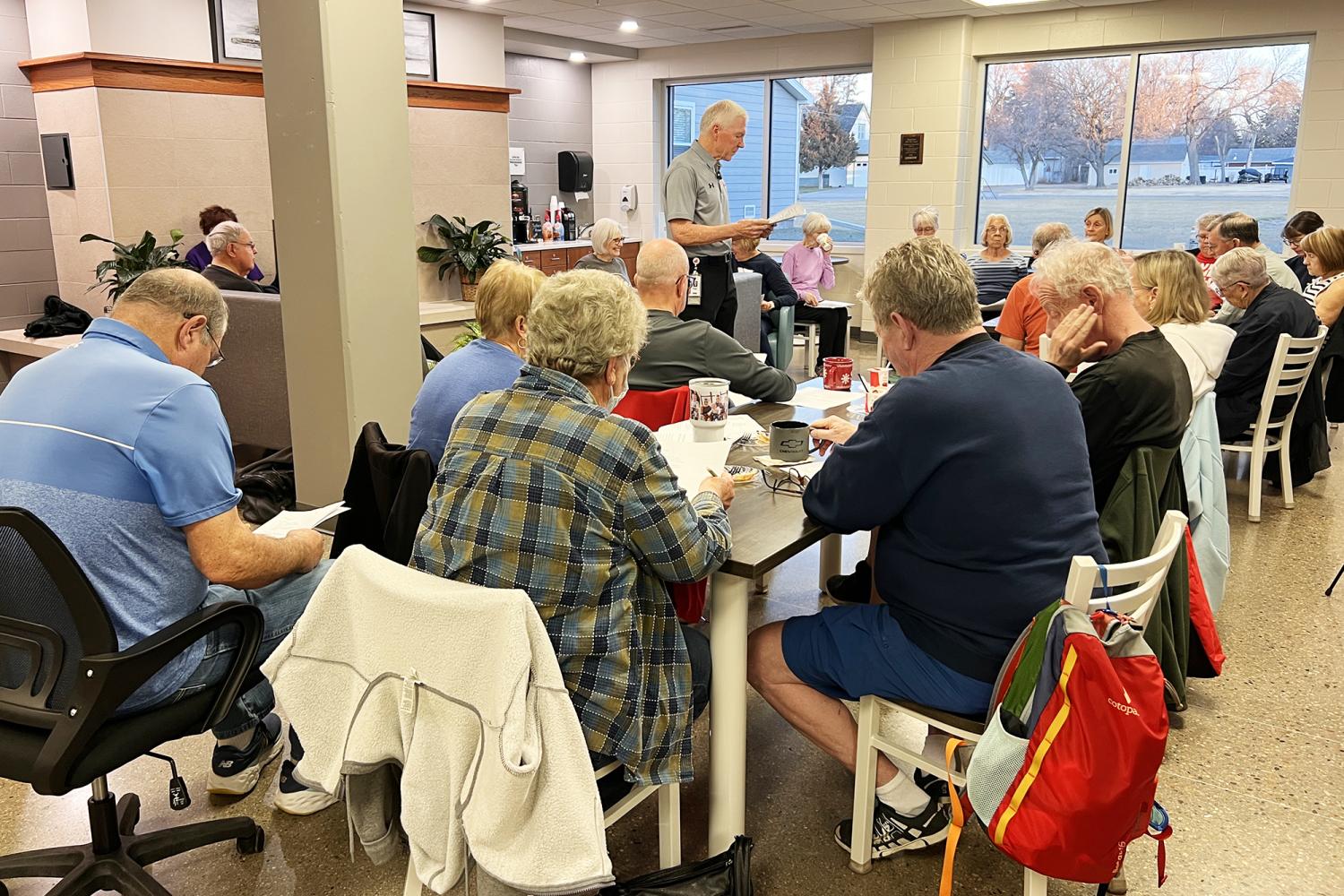
On January 6th, Roger Wells, Physician Assistant, led an engaging YMCA Coffee Conversations session focused on cancer awareness. He discussed the different types of cancer, common risk factors, and addressed myths that often surround the disease. If you weren’t able to attend, you can watch the full discussion here: https://youtu.be/EQTkI7a41-0
Cancer begins when cells in the body grow and divide uncontrollably due to genetic mutations. Normally, cells follow a predictable life cycle—growing, replacing, and retiring. When that process is disrupted, abnormal cells can multiply unchecked and form tumors. Because cancer cells often resemble normal cells, the immune system may not always recognize and stop them.
How common is cancer?
Cancer is the second leading cause of death in the United States.
Each year, about 2 million people are diagnosed.
Nearly 1 in 3 Americans will face a cancer diagnosis in their lifetime.
Common Cancers at a Glance
Breast: 15% of all cancers (32% in women)
Prostate: 15% of all cancers (30% in men)
Lung: 10%
Colorectal: 6.8%
Pancreatic: 3% overall, yet 3rd in total cancer deaths
Leading causes of cancer death:
Lung: 22.6%
Colorectal: 8.9%
Pancreatic: 7.8%
Prostate: 7.3%
Breast: 7.0%
Risk Factors: What Increases Risk
Modifiable (Lifestyle & Environmental):
Tobacco use
Heavy alcohol consumption
Poor diet and lack of exercise
UV radiation exposure
Certain infections (HPV, Hepatitis B/C)
Environmental exposures (radon, asbestos)
Non-Modifiable:
Age (most cancers occur after age 65)
Family history and genetics
Race and ethnicity
Reproductive factors
Breast Cancer
About 80% of breast cancers are invasive and can spread.
Most occur after age 50.
Common types: Invasive ductal carcinoma, Lobular breast cancer, DCIS.
Subtypes: ER+, PR+, HR+, HER2+ (15%).
Genetics: BRCA1 and BRCA2 mutations (~15%).
Diagnosis: Self-exam, Mammogram, MRI, Biopsy, Genetic testing.
Treatment: Mastectomy, Lumpectomy, Chemotherapy, Radiation, Immunotherapy, Hormone therapy, Targeted therapy.
Survival: Local 99%, Regional 86%, Distant 30%.
Prevention: Healthy weight, Mammograms, Diet rich in fruits/vegetables, Exercise, Avoid alcohol/tobacco.
Prostate Cancer
Affects 13 in 100 males; most are adenocarcinomas.
Symptoms: Frequent urination, weak flow, pain, blood in semen.
Risk factors: Age >65, African ancestry, family history, smoking, obesity.
Diagnosis: Physical exam, PSA test, MRI, Ultrasound, Biopsy.
Treatment: Surveillance, Surgery, Radiation, Hormone therapy, Chemotherapy, Immunotherapy, Targeted therapy.
Prognosis: ~99% survive 5+ years.
Lung Cancer
Types: NSCLC (80%), SCLC (fast-growing).
Symptoms: Cough, shortness of breath, chest pain, weight loss.
Risk factors: Smoking, radon, asbestos, family history.
Diagnosis: X-ray, CT, PET, Biopsy.
Treatment: Surgery, Radiation, Chemotherapy, Immunotherapy.
Survival: Local 61%, Regional 35%, Distant 7%.
Prevention: Don’t smoke, avoid secondhand smoke, healthy diet, screening if eligible.
Colon Cancer
Starts as polyps in colon lining.
Symptoms: Abdominal pain, blood in stool, fatigue, weight loss.
Risk factors: Family history, polyps, smoking, alcohol.
Diagnosis: Colonoscopy, Cologuard, CT, MRI.
Treatment: Polypectomy, Colectomy, Radiation, Chemotherapy.
Survival: Local 91%, Regional 73%, Distant 13%.
Prevention: Healthy diet, quit smoking, avoid alcohol, maintain weight, screening.
Pancreatic Cancer
Starts in pancreas ducts; resistant to treatment.
Types: Exocrine (90%), Neuroendocrine (10%).
Symptoms: Jaundice, fatigue, weight loss, abdominal pain, new diabetes.
Risk factors: Smoking, obesity, diabetes, chemical exposure.
Diagnosis: CT, MRI, PET, Endoscopy, CA 19-9 marker.
Treatment: Surgery (only cure), Chemotherapy, Radiation.
Survival: ~11%.
Prevention: Don’t smoke, limit alcohol, healthy diet, maintain weight.
Cancer Myths—What’s True, What’s Not
Is cancer a death sentence?
In the United States, the likelihood of dying from cancer has dropped steadily since the 1990s. Five-year survival rates for some cancers, such as breast, prostate, and thyroid cancers, now are 90 percent or better. The 5-year survival rate for all cancers combined is currently about 69 percent.
It is important to note, however, that these rates are based on data from large numbers of people. How long an individual cancer patient will live and whether he or she will die from the disease depend on many factors, including whether the cancer is slow or fast growing, how much the cancer has spread in the body, whether effective treatments are available, the person’s overall health, and more.
Will eating sugar make my cancer worse?
No. Although research has shown that cancer cells consume more sugar (glucose) than normal cells, no studies have shown that eating sugar will make your cancer worse or that, if you stop eating sugar, your cancer will shrink or disappear. However, a high-sugar diet may contribute to excess weight gain, and obesity is associated with an increased risk of developing several types of cancer.
Is cancer contagious?
In general, no. Cancer is not a contagious disease that easily spreads from person to person. The only situation in which cancer can spread from one person to another is in the case of organ or tissue transplantation. A person who receives an organ or tissue from a donor who had cancer in the past may be at increased risk of developing a transplant-related cancer in the future. However, that risk is extremely low—about two cases of cancer per 10,000 organ transplants. Doctors avoid the use of organs or tissue from donors who have a history of cancer.
In some people, cancers may be caused by certain viruses (some types of human papillomavirus, or HPV, for example) and bacteria (such as Helicobacter pylori). While a virus or bacterium can spread from person to person, the cancers they sometimes cause cannot spread from person to person.
Can cancer surgery or a tumor biopsy cause cancer to spread in the body?
The chance that surgery will cause cancer to spread to other parts of the body is extremely low. Following standard procedures, surgeons use special methods and take many steps to prevent cancer cells from spreading during biopsies or surgery to remove tumors. For example, if they must remove tissue from more than one area of the body, they use different surgical tools for each area.
Does my attitude—positive or negative—determine my risk of getting or surviving cancer?
To date, there is no convincing scientific evidence that links a person’s “attitude” to their risk of developing or dying from cancer. If you have cancer, it’s normal to feel sad, angry, or discouraged sometimes and positive or upbeat at other times. People with a positive attitude may be more likely to maintain social connections and stay active, and physical activity and emotional support may help you cope with your cancer.
Will cancer get worse if exposed to air?
No. Exposure to air will not make tumors grow faster or cause cancer to spread to other parts of the body.
Do cell phones cause cancer?
No, not according to the best studies completed so far. Cancer is caused by genetic mutations, and cell phones emit a type of low-frequency energy that does not damage genes.
Do power lines cause cancer?
No, not according to the best studies completed so far. Power lines emit both electric and magnetic energy. The electric energy emitted by power lines is easily shielded or weakened by walls and other objects. The magnetic energy emitted by power lines is a low-frequency form of radiation that does not damage genes.
Are there herbal products that can cure cancer?
No. Although some studies suggest that alternative or complementary therapies, including some herbs, may help patients cope with the side effects of cancer treatment, no herbal products have been shown to be effective for treating cancer. In fact, some herbal products may be harmful when taken during chemotherapy or radiation therapy because they may interfere with how these treatments work. Cancer patients should talk with their doctor about any complementary and alternative medicine products—including vitamins and herbal supplements—they may be using.
If someone in my family has cancer, am I likely to get cancer, too?
Not necessarily. Cancer is caused by harmful changes (mutations) in genes. Only about 5 to 10 percent of cancers are caused by harmful mutations that are inherited from a person’s parents. In families with an inherited cancer-causing mutation, multiple family members will often develop the same type of cancer. These cancers are called “familial” or “hereditary” cancers.
The remaining 90 to 95 percent of cancers are caused by mutations that happen during a person’s lifetime as a natural result of aging and exposure to environmental factors, such as tobacco smoke and radiation. These cancers are called “non-hereditary” or “spontaneous” cancers.
If no one in my family has had cancer, does that mean I’m risk-free?
No. Based on the most recent data, about 39 percent of men and women will be diagnosed with cancer at some point during their lives. Most cancers are caused by genetic changes that occur throughout a person’s lifetime as a natural result of aging and exposure to environmental factors, such as tobacco smoke and radiation. Other factors, such as what kind of food you eat, how much you eat, and whether you exercise, may also influence your risk of developing cancer.
Do antiperspirants or deodorants cause breast cancer?
No. The best studies so far have found no evidence linking the chemicals typically found in antiperspirants and deodorants with changes in breast tissue.
What You Can Do—Starting Today
Move more, sit less.
Eat fruits and vegetables.
Skip tobacco and moderate alcohol.
Know your numbers—get screenings.
Talk to your provider about family history and symptoms.