Now Offering Coronary Calcium Scoring to Assess Heart Disease Risk
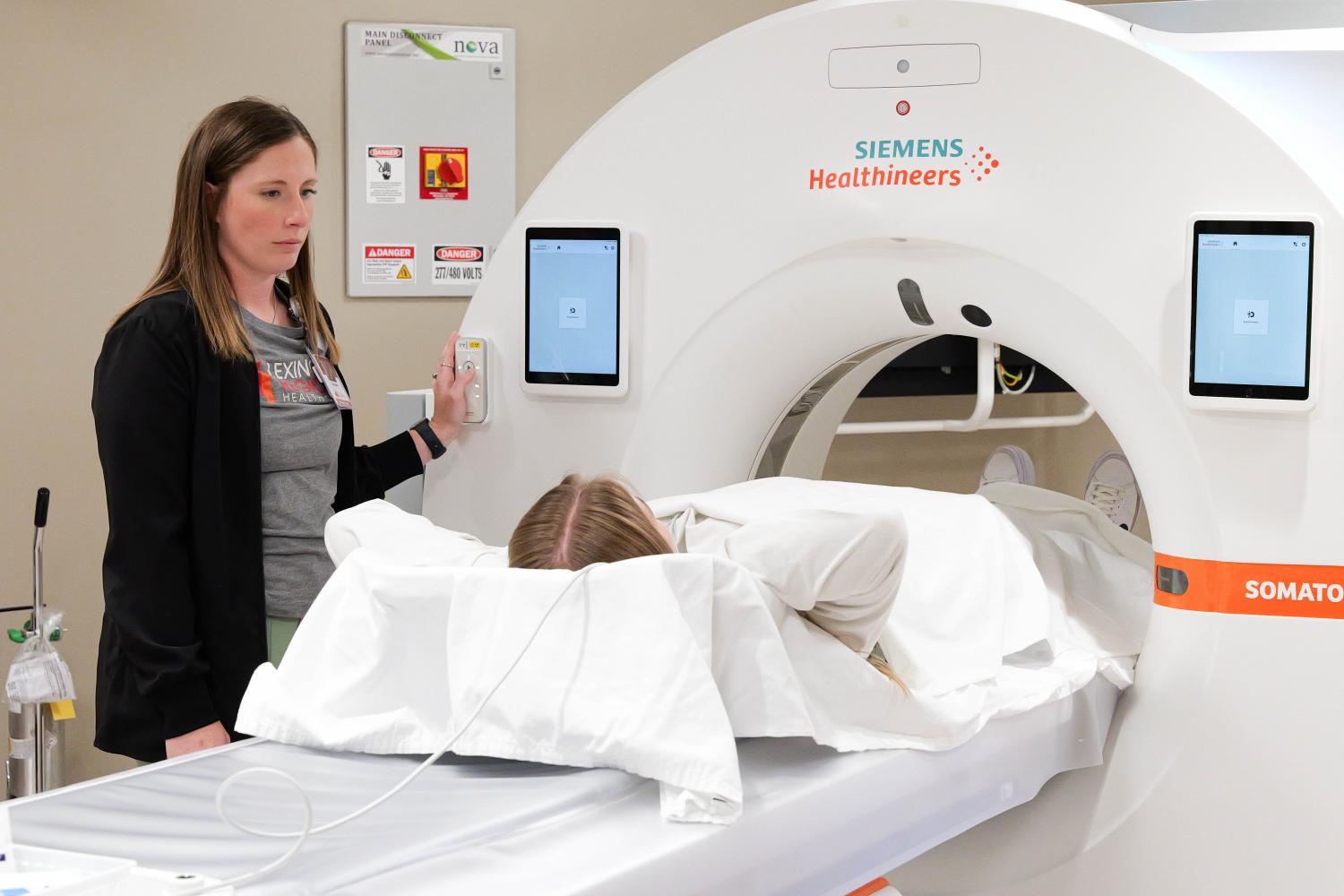
Lexington Regional Health Center (LRHC) is now offering Coronary Calcium Scoring, a proactive heart screening tool that helps assess an individual’s risk for developing coronary heart disease—often before symptoms appear.
A coronary calcium score (also known as a CAC score) is obtained through a specialized CT scan that measures calcium buildup, or plaque, in the arteries that supply blood to the heart. The presence of calcium is an early indicator of atherosclerosis, or hardening of the arteries, which increases the risk of heart attack and cardiovascular disease.
“The value of this test is early detection,” said Roger Wells, PA-C. “Plaque can build up silently for years. A coronary calcium score helps guide personalized prevention before heart disease becomes symptomatic.”
The scan is quick, non-invasive, and does not require contrast dye. Results are reported as a score ranging from zero (no detectable calcium) to higher levels that indicate increasing cardiovascular risk. These results help healthcare providers make more informed decisions about prevention strategies such as lifestyle changes, exercise, dietary adjustments, and cholesterol management, including whether medication may be appropriate.
Traditional lipid evaluations alone predict only a portion of cardiovascular risk. Research shows coronary calcium scoring provides a more accurate picture of existing arterial plaque and helps determine whether treatment is needed—even for patients who feel well.
Current guidelines support closer evaluation of cholesterol and cardiovascular risk in adults ages 30 to 55, particularly those with LDL cholesterol levels between 70 and 180. For many patients, a coronary calcium score can support meaningful conversations with their primary care provider about preventing future heart disease.
It is important to note that coronary calcium scoring does not diagnose a heart attack, show artery blockages, or replace diagnostic tests such as stress tests or heart catheterization when symptoms like chest pain or shortness of breath are present.
Talk with your primary care provider to see if a coronary calcium score is right for you. Questions? Please call (308) 324-8331